
Introduction
Software systems today are complex, distributed, and constantly changing. A small issue in one microservice, database, or network hop can silently break user experience somewhere else, and traditional monitoring is no longer enough to keep up.
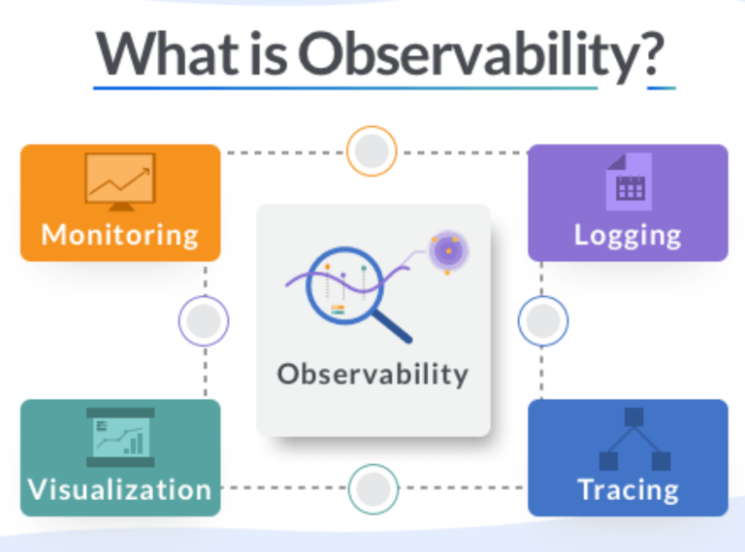
Observability engineering is about designing systems so that their internal state is visible from the outside using metrics, logs, traces, and events. Instead of guessing what went wrong, teams can quickly see why something is failing, how it affects users, and what to fix first.
The Master in Observability Engineering (MOE) program from DevOpsSchool turns this idea into a structured certification path. It is built for working engineers and managers who want to move beyond basic dashboards and alerts, and learn how to build observability into architecture, code, and operations from day one.
What Is Observability Engineering?
Observability engineering is the practice of designing, building, and operating the telemetry of a system so that you can understand its internal state from the outside.
It goes beyond basic monitoring. Instead of only watching CPU or uptime, you combine metrics, logs, traces, and events to answer new questions during incidents and performance issues.
Overview of Master in Observability Engineering (MOE)
The Master in Observability Engineering (MOE) is an advanced training and certification program offered by DevOpsSchool. It is built to take you from “we have dashboards” to “our systems are observable by design.”
The curriculum covers observability concepts, OpenTelemetry, tools such as Prometheus, Grafana and ELK‑style stacks, distributed tracing, SLOs/SLIs, and incident response practices aligned with modern DevOps and SRE standards.
MOE Certification Table
MOE and Observability Certifications Snapshot
| Track | Level | Who it’s for | Prerequisites | Skills covered | Recommended order |
|---|---|---|---|---|---|
| Observability Engineering | Master / Expert | DevOps, SRE, Platform, Cloud, Security, Data, FinOps engineers; architects and managers | 2–3 years in IT, Linux and networking basics, one cloud, some monitoring/alerting experience | Observability pillars, OpenTelemetry, metrics/logs/traces, dashboards, SLOs/SLIs/SLAs, alert design, incident response, root cause analysis, telemetry pipelines, cloud‑native observability tools | After DevOps/SRE or cloud fundamentals; before/alongside SRE, AIOps, FinOps, or security specializations |
Master in Observability Engineering (MOE)
What it is
The Master in Observability Engineering program is an advanced, project‑driven certification focused on designing end‑to‑end observability for real‑world systems.
It covers how to collect, process, store, and visualize telemetry so that you can debug incidents, tune performance, and support business SLAs with confidence.
Who should take it
- DevOps and SRE engineers responsible for production reliability and incident response.
- Platform and cloud engineers building shared platforms and internal developer platforms.
- Security engineers who need deep visibility into events, anomalies, and attack patterns.
- Data and AIOps/MLOps engineers using telemetry for analytics and automation.
- FinOps practitioners who want to link usage telemetry with cloud cost and efficiency.
- Engineering managers and architects designing reliability and observability strategies.
Skills you’ll gain
- Solid understanding of observability pillars: metrics, logs, traces, and events.
- Designing observability architecture and telemetry pipelines for microservices and cloud platforms.
- Practical experience with tools such as Prometheus, Grafana, ELK/EFK, and tracing backends.
- Implementing OpenTelemetry across services for vendor‑neutral instrumentation.
- Defining and using SLIs, SLOs, SLAs and building meaningful, low‑noise alerting.
- Running structured incident response, root cause analysis, and post‑incident reviews.
- Using telemetry for capacity planning, performance tuning, and cost optimization.
Real‑world projects you should be able to do after it
- Instrument a microservices application with OpenTelemetry to emit metrics, logs, and traces.
- Design and deploy a complete observability stack (Prometheus, Grafana, logs, tracing) for a production‑like cluster.
- Define SLIs and SLOs for key services, implement alert rules, and manage error budgets.
- Build a centralized logging and tracing setup for multi‑cluster or multi‑cloud environments.
- Integrate observability checks into CI/CD pipelines as quality gates.
Preparation Plan for MOE
7–14 Day Fast Track
Best for engineers already working with observability tools and SRE practices.
- Map your current experience to the MOE syllabus; fill gaps in tracing, OpenTelemetry, and SLO design.
- Do focused labs on instrumenting services and building distributed tracing.
- Review incident case studies and practice structured incident post‑mortems.
- Take timed practice questions or internal mock tests where available.
30 Day Standard Plan
Good for engineers who know monitoring but are new to full observability.
- Week 1: Concepts—observability vs monitoring, pillars, telemetry patterns, current stack review.
- Week 2: Metrics and alerting with Prometheus/Grafana; logging with ELK/EFK.
- Week 3: Distributed tracing, OpenTelemetry, SLOs/SLIs, and service‑mesh observability basics.
- Week 4: Full mini‑project, revision of each topic, and scenario‑based practice.
60 Day Deep Plan
Ideal for career changers or managers building strong hands‑on understanding.
- Month 1: Foundations—Linux, networking, HTTP, microservices basics, cloud fundamentals, on‑call principles.
- Month 2: Design and implement a complete observability architecture, including HA, scaling, and cost considerations, then finish with MOE‑style assessments.
Common Mistakes in MOE Preparation
- Treating observability as “just more dashboards” instead of a full telemetry discipline.
- Learning tools in isolation without designing an end‑to‑end observability architecture.
- Collecting too much data without thinking about signal‑to‑noise, cardinality, and cost.
- Creating noisy alerts and ignoring SLOs, which leads to alert fatigue.
- Skipping incident simulations and root cause practice, relying only on theory.
- Not collaborating with developers, security, and business teams on what really needs to be observed.
Best Next Certifications After MOE
Using patterns from common top certifications for software engineers:
Same Track (Observability / SRE / DevOps)
- SRE‑oriented certifications that go deeper into reliability, SLOs, and production engineering.
- Cloud DevOps or Professional DevOps certifications that cover CI/CD, automation, and operations together.
Cross‑Track
- Cloud architect or cloud developer certifications on AWS, Azure, or GCP, pairing observability with system design.
- DevSecOps or cloud security certifications to use observability for threat detection and compliance.
Leadership
- Advanced cloud architect or technical leadership programs focused on design, governance, and strategy for large systems.
- Manager‑oriented SRE/DevOps programs about leading reliability and platform teams.
Choose Your Path: 6 Observability‑Centric Learning Paths
DevOps Path
- Focus: CI/CD, release automation, and platform stability with observability baked into every stage.
- Path: DevOps foundation → MOE → cloud DevOps / Kubernetes or container‑focused certifications.
DevSecOps Path
- Focus: security events, anomaly detection, and compliance alerts as part of observability.
- Path: Security basics → MOE → DevSecOps / cloud security certifications.
SRE Path
- Focus: SLOs, error budgets, incident response, and resilience.
- Path: SRE foundations → MOE → advanced SRE/observability or cloud professional certifications.
AIOps/MLOps Path
- Focus: using telemetry for anomaly detection, prediction, and automated remediation.
- Path: Data/ML basics → MOE → AIOps/MLOps or cloud data/ML certifications.
DataOps Path
- Focus: observability of data pipelines, data quality, and performance in data platforms.
- Path: Data engineering basics → MOE → data engineer / analytics‑oriented certifications.
FinOps Path
- Focus: connecting telemetry with cost, usage, and budgeting decisions.
- Path: Cloud cost fundamentals → MOE → FinOps or cloud cost‑optimization programs.
Role → Recommended Certifications
| Role | Core Observability Cert | Recommended supporting certifications |
|---|---|---|
| DevOps Engineer | Master in Observability Engineering (MOE) | DevOps/Cloud DevOps, Docker/Kubernetes, cloud associate (AWS/Azure/GCP) |
| SRE | Master in Observability Engineering (MOE) | SRE certifications, cloud professional level, incident‑management and monitoring programs |
| Platform Engineer | Master in Observability Engineering (MOE) | Kubernetes admin, cloud architect, DevSecOps/security certifications |
| Cloud Engineer | Master in Observability Engineering (MOE) | Cloud associate/professional, networking and security specializations |
| Security Engineer | Master in Observability Engineering (MOE) | DevSecOps, cloud security, SOC/blue‑team style certifications |
| Data Engineer | Master in Observability Engineering (MOE) | Data engineer/analytics certifications, big‑data platform credentials |
| FinOps Practitioner | Master in Observability Engineering (MOE) | FinOps or cost‑optimization certifications, cloud architect/admin |
| Engineering Manager | Master in Observability Engineering (MOE) | Cloud architect, SRE/DevOps leadership and strategy‑oriented certifications |
General Questions About Observability and MOE
1. Is observability the same as monitoring?
No. Monitoring tracks known metrics and thresholds, while observability focuses on rich telemetry so you can answer new questions about system behavior.
2. Do I need microservices to care about observability?
No. Monoliths, microservices, and hybrid systems all benefit; any system where reliability matters needs observability.
3. Which language is best for observability work?
Most observability stacks support many languages through SDKs and OpenTelemetry. Understanding telemetry concepts matters more than a specific language.
4. Can tools alone solve my incident problems?
No. Tools provide data, but you still need good processes: on‑call, runbooks, escalation paths, and post‑incident reviews.
5. Is observability only for large companies?
No. Smaller teams benefit a lot because good observability reduces firefighting and speeds up debugging.
6. How does observability help with cost optimization?
Telemetry makes usage, performance, and waste visible so teams can right‑size resources and control spend.
7. Do I need expensive commercial tools to start?
No. You can begin with open‑source tools like Prometheus, Grafana, and ELK; commercial platforms help later for scale and advanced features.
8. Is coding mandatory to become an observability engineer?
You do not need to be a full‑time developer, but you must be comfortable reading and adding instrumentation code, working with APIs, and writing basic scripts or configuration.
FAQs on MOE: Difficulty, Time, Value, Career
1. How difficult is the MOE certification?
MOE is advanced. It is demanding for beginners but quite achievable for engineers with DevOps/SRE or monitoring background and a structured plan.
2. How long does it take to prepare for MOE?
Most professionals need 30–60 days with regular labs; experienced SREs or DevOps engineers may complete it in 7–14 intensive days.
3. What are the key prerequisites?
Basic Linux, networking, at least one cloud platform, some experience with monitoring/alerting, and familiarity with microservices or distributed systems are recommended.
4. In what sequence should I take MOE and other certifications?
A common order is: cloud/DevOps or SRE fundamentals → MOE → specialized certifications like SRE, architect, security, data, or FinOps.
5. What is the career value of MOE?
MOE shows that you can own observability for critical systems, which is highly valued for senior DevOps, SRE, platform, and reliability‑focused leadership roles.
6. Does MOE help with promotions or role changes?
Yes. It supports moves into SRE, observability engineer, platform engineer, or reliability lead positions, where organizations struggle to find skilled people.
7. Is MOE recognized globally?
DevOpsSchool certifications, including MOE, are used by learners in multiple countries and recognized in major tech hubs.
8. Is MOE more suited to hands‑on engineers or managers?
Both benefit. Engineers get concrete tooling and design skills, and managers gain the depth to shape observability strategy and standards.
9. Can fresh graduates attempt MOE directly?
It is possible but not ideal. Most freshers do better by first building cloud/DevOps basics and some monitoring experience, then targeting MOE.
10. How does MOE compare to simple monitoring courses?
Monitoring courses often teach tool usage; MOE focuses on observability architecture, SLOs, incident response, and multi‑tool integration, making it broader and deeper.
11. Will observability engineering stay in demand?
Yes. As systems grow more complex and reliability ties directly to revenue, organizations need dedicated observability expertise.
12. How does MOE connect with AIOps and automation?
MOE builds the high‑quality telemetry that AIOps platforms need for anomaly detection, prediction, and automated remediation.
Top Institutions for MOE Training and Support
DevOpsSchool
DevOpsSchool is the main provider of the Master in Observability Engineering (MOE) program. It offers live classes, self‑paced content, labs, and project‑based learning aligned closely with real production environments.
Cotocus
Cotocus powers several DevOps and SRE‑oriented programs, including MOE. It focuses on job‑ready skills, practical scenarios, and interview‑oriented training in observability‑driven roles.
ScmGalaxy
ScmGalaxy includes observability as a key part of its DevOps and SCM training. It teaches how monitoring, logging, and tracing fit into CI/CD and release management pipelines.
BestDevOps
BestDevOps curates courses and content around modern DevOps practices, including observability, SRE, and platform engineering. Its aim is to keep engineers aligned with current industry practices.
devsecopsschool.com
devsecopsschool.com focuses on integrating security into DevOps, where observability is essential for detecting threats and investigating incidents. Programs combine security logging, SIEM integration, and observability tooling.
sreschool.com
sreschool.com specializes in SRE and reliability engineering. Observability is central in their training, which covers SLOs, incident response, and production‑grade operations.
aiopsschool.com
aiopsschool.com trains professionals in AIOps, where observability data powers intelligent automation and anomaly detection. Courses highlight how to use telemetry in ML‑based operations.
dataopsschool.com
dataopsschool.com focuses on DataOps and reliable data pipelines. Observability is used to track data flows, quality, and performance across complex data platforms.
finopsschool.com
finopsschool.com connects cloud spending with engineering practices. Observability data helps here by surfacing usage, waste, and optimization opportunities.
Conclusion
Observability is no longer a “nice to have” add‑on; it is a core engineering discipline that decides how quickly you can find, fix, and prevent production issues. The Master in Observability Engineering (MOE) program turns this necessity into a structured, hands‑on path that teaches you how to design and run observability for real, complex systems.
For DevOps, SRE, platform, cloud, security, data, and FinOps professionals—as well as engineering managers—MOE helps you move from reactive monitoring to proactive, data‑driven operations. It gives you practical skills, a solid framework, and a recognized credential that supports better roles, higher impact, and more confident decision‑making.
If you are already investing time in cloud, DevOps, SRE, or FinOps certifications, adding MOE to your roadmap will round out your profile with one of the most demanded capabilities in modern engineering: the ability to make systems visible, understandable, and reliably scalable over time..
